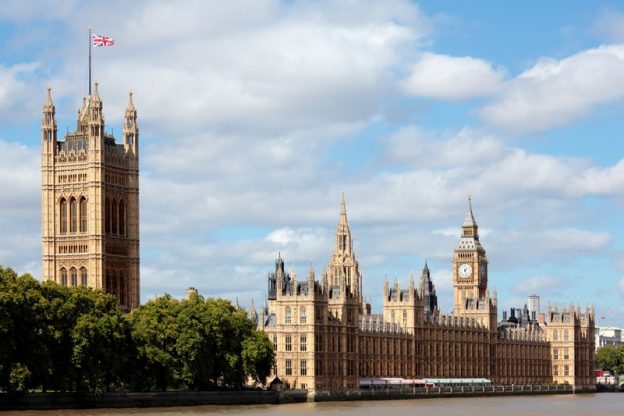
The Chancellor’s Spring Statement, presented to Parliament 3 March 2026, was packed with political content that has no real impact for UK taxpayers, business owners or employees. The substance of her presentation was a summary of the Office for Budget Responsibility (OBR) Economic and fiscal outlook released on the same date.
Our summary that follows highlights the main points of the OBR statement and adds our reflections on the possible effects these plans will have on future UK taxation policy.
It is also worth mentioning that if the present unrest in the Middle East continues, these forecasts may become untenable.
What the OBR outlook means for you and future taxation
Following the Chancellor’s Spring Statement, the OBR has published its Economic and fiscal outlook: March 2026. While the document is technical, it provides an important signal about the direction of the UK economy and, crucially, the future shape of the tax system.
This briefing summarises the key items and explains what they may mean for individuals, business owners and investors over the next few years.
The wider economic picture
The OBR expects the UK economy to grow slowly in the near term, before improving modestly later in the decade. Economic growth is forecast to be around 1.1 per cent in 2026, rising to an average of around 1.6 per cent a year thereafter. This is weaker than historic norms and reflects long-standing issues such as low productivity, growth and an ageing workforce.
Inflation is expected to continue falling and move closer to the Bank of England’s 2 per cent target by late 2026. This should help ease pressure on household finances, but it also reduces the pace at which tax revenues naturally increase through wage and price growth.
The overall message is that the economy is stable, but not strong. That matters because government tax receipts depend heavily on economic growth.
The state of the public finances
Government borrowing is forecast to fall gradually over the coming years. Public sector borrowing is expected to decline from just over 5 per cent of GDP in 2024–25 to around 1.6 per cent of GDP by 2030–31. This improvement is largely driven by a high tax take and steady economic growth, rather than major reductions in public spending.
Public sector net debt remains high, stabilising at around 95 per cent of GDP. This is historically elevated and leaves the public finances sensitive to shocks such as higher interest rates or weaker growth.
For taxpayers, this matters because high debt limits the government’s room to cut taxes. Even modest economic setbacks could quickly put pressure back on borrowing.
What this means for future taxation
The OBR does not set tax policy, but its forecasts strongly influence government decisions. The outlook points to several important themes for future taxation.
First, the overall tax burden is expected to remain high. Tax receipts as a share of the economy are close to post-war highs and are forecast to stay there. This suggests that meaningful, broad-based tax cuts are unlikely in the near term.
Secondly, much of the recent increase in tax revenue has come from so-called fiscal drag. Income Tax thresholds have been frozen, meaning that as wages rise, more income is taxed at higher rates. Although inflation is easing, this effect will continue as long as thresholds remain unchanged.
For individuals, this means that effective tax rates may continue to rise even if headline rates do not change. More people are likely to be drawn into higher and additional rate bands over time.
Income Tax and National Insurance
The outlook reinforces the likelihood that Income Tax and National Insurance will remain the government’s most reliable sources of revenue. These taxes are broad-based, predictable and relatively difficult to avoid.
While large increases in headline rates appear unlikely, continued freezes to allowances and thresholds remain a realistic option. Over time, this increases the tax burden on earned income without the need for explicit tax rises.
For employees and directors, this underlines the importance of reviewing remuneration structures, including the balance between salary, dividends and pension contributions, to ensure tax efficiency within the rules.
Business taxation
Corporation Tax receipts remain strong following the increase in the main rate in recent years. The OBR forecasts suggest that business taxes will continue to play a significant role in supporting the public finances.
Given the constraints on public spending and the need for stable revenues, there may be limited appetite for significant reductions in business taxes. Instead, future changes are more likely to focus on reliefs, allowances and compliance measures.
Businesses should expect continued scrutiny of reliefs and incentives, alongside a focus on timely reporting and accurate tax compliance.
Capital taxes and wealth
Although the OBR does not focus heavily on capital taxes in this outlook, the broader fiscal context is important. High public debt and long-term spending pressures increase the likelihood of further reform to taxes on capital and wealth.
Capital Gains Tax, Inheritance Tax and property-related taxes are all areas where governments may seek additional revenue without raising Income Tax rates. This may take the form of rate changes, allowance reductions, or restrictions on reliefs rather than entirely new taxes.
For individuals with significant assets, this reinforces the importance of forward planning, particularly around asset disposals, succession and estate planning.
Long-term pressures and ageing
The OBR highlights the growing cost of an ageing population, particularly in relation to health, social care and pensions. These pressures increase over time and extend beyond the current forecast period.
Unless public spending is reduced or restructured, higher revenues will be required in the long term. This suggests that future tax policy will increasingly focus on sustainability rather than short-term incentives.
From a planning perspective, this points towards a tax environment where reliefs and allowances may become more restricted, and where long-term strategies are preferable to reactive decisions.
Uncertainty and risk
The OBR places significant emphasis on uncertainty. Geopolitical risks, energy prices, productivity trends and labour market changes could all materially affect the outlook.
If the economy underperforms, the government may need to respond quickly. Historically, this has often involved tax measures introduced at relatively short notice. This reinforces the value of regular reviews and keeping tax planning flexible.
What clients should take away
The key message from the OBR outlook is not that major tax rises are imminent, but that the scope for tax cuts is limited. The UK is likely to remain a relatively high-tax economy for the foreseeable future.
Incremental changes, rather than dramatic reforms, are the most likely path. Threshold freezes, relief adjustments and targeted measures are expected to remain central tools of tax policy.
For individuals and businesses, this makes proactive planning essential. Understanding how existing rules apply, making use of available reliefs, and reviewing structures regularly can make a meaningful difference over time.
If you would like to discuss how these trends may affect your personal or business circumstances, we would be happy to help you review your position and plan ahead.
Source:HM Government | 02-03-2026