

Category Archives: Business Support

Business solvency, why it matters

Business solvency refers to a company’s ability to meet its financial obligations as they fall due and to maintain a healthy balance between its assets and liabilities. It is one of the key indicators of financial stability and is essential for the long term survival of any business.

A solvent business has sufficient resources to pay suppliers, employees, lenders and the tax authorities on time. Maintaining this position helps to build trust with stakeholders. Suppliers may be more willing to offer favourable credit terms, lenders may be more comfortable providing finance, and customers are more likely to have confidence in a business that appears financially stable.

Solvency is also important from a legal and governance perspective. Company directors have a duty to ensure that their business does not continue trading if it is unable to meet its obligations. If a company trades while insolvent, directors could face serious consequences, including potential personal liability for certain debts.

Regular financial monitoring plays an important role in protecting solvency. Reviewing management accounts, balance sheets and cash flow forecasts allows business owners to identify potential problems early. This may provide time to reduce costs, improve collections from customers, refinance borrowings or introduce additional capital.

Maintaining adequate reserves and controlling debt levels are also key elements of a strong solvency position. Businesses that rely too heavily on borrowing can become vulnerable if trading conditions deteriorate or interest rates rise.

For these reasons, solvency should be seen as a core measure of business health. Regular financial review and forward planning can help ensure that a business remains stable, resilient and able to meet its commitments.

Source:Other | 16-03-2026

Reducing energy consumption

Reducing energy intensity is one of the most practical ways for small businesses to protect themselves from rising energy costs, particularly if global energy markets remain unstable because of the ongoing conflict involving Iran. Oil prices have already surged sharply due to disruption in key supply routes such as the Strait of Hormuz, raising concerns about higher inflation and energy bills worldwide.

For many businesses, energy is a significant operating cost. Surveys suggest that two thirds of UK businesses spend between 5 per cent and 20 per cent of their total outgoings on energy, meaning even modest price increases can have a noticeable impact on profitability

One of the most effective responses is to reduce energy intensity, which means using less energy to produce the same level of output. The first step is often to review how energy is actually used within the business. Installing smart meters or carrying out a simple energy audit can reveal waste that may otherwise go unnoticed. For example, heating and lighting frequently remain on outside working hours, particularly in offices and retail premises.

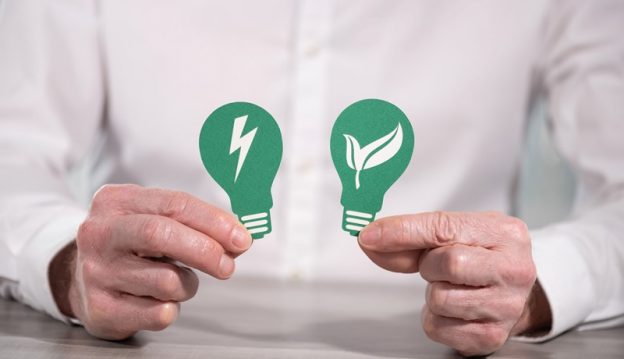
Lighting is usually one of the quickest improvements. Switching to LED lighting and installing motion sensors or automated timers can cut electricity consumption significantly. Many small firms have already taken this step, with research showing that around 69 per cent of SMEs investing in energy efficiency have upgraded their lighting systems.

Heating and insulation are another important area. Poorly insulated buildings lose heat quickly, meaning boilers or electric heating systems must run for longer periods. Improving insulation, installing programmable thermostats, and maintaining heating equipment can all reduce energy demand. Guidance from energy advisers suggests that better heating controls and reduced heat loss are among the most effective workplace efficiency measures.

Businesses can also review equipment and production processes. Older machinery, refrigeration units, and computers often consume significantly more electricity than newer models. Regular maintenance and gradual replacement of inefficient equipment can therefore produce long term savings.

Finally, some businesses are investing in on site renewable energy such as solar panels. While this requires an initial investment, generating electricity directly can reduce reliance on volatile energy markets and provide greater cost stability.

In uncertain times, improving energy efficiency is often the most reliable hedge against rising energy prices. Businesses that reduce their energy intensity not only cut costs today but also strengthen their resilience against future shocks in global energy markets.

Source:Other | 08-03-2026

Accelerate Return on Investment

The speed with which a business can achieve a return on investment is often just as important as the size of the return itself. When investments begin generating benefits quickly, the financial impact can be felt much sooner, improving cash flow and strengthening overall business resilience.

In periods of economic uncertainty, including times when input costs such as energy, materials, or finance are rising, faster payback periods become particularly valuable. Projects that recover their costs quickly reduce risk because the business is exposed to changing economic conditions for a shorter period of time. Once the initial investment has been recovered, any continuing savings or additional income effectively becomes a financial gain.

For example, many energy efficiency improvements such as LED lighting, improved heating controls, or better insulation can often pay for themselves within a relatively short period. After the initial costs have been recovered, the continuing reduction in energy bills becomes a direct improvement to profitability.

A faster return on investment can also free up capital for further improvements. Once the first project has repaid its cost, the savings generated can be reinvested into other efficiency measures or growth opportunities.

For business owners, this highlights the importance of prioritising investments that deliver early financial benefits. Quick wins not only improve profitability but also create momentum for further improvements across the business.

Source:Other | 08-03-2026

AI and the future of work: why healthcare remains resilient

As artificial intelligence becomes embedded in everyday business activity, many clients are asking how it might affect their industry and long term prospects. While some sectors face significant disruption, healthcare and social care stand out as the most resilient major industry as AI develops.

The core reason is demand. Healthcare is driven by long term demographic trends rather than technology cycles. An ageing population, rising life expectancy and an increase in long term and chronic conditions mean that demand for medical and care services continues to grow steadily. This underlying pressure alone limits the scope for workforce reduction, even where productivity improves.

AI is already playing an important role in healthcare. Diagnostic support tools, medical imaging analysis, appointment scheduling, triage systems and clinical note drafting are becoming increasingly common. However, these technologies tend to support professionals rather than replace them. Clinical decisions still require judgement, context and accountability, all of which remain firmly human responsibilities.

Much of the value delivered in healthcare and social care is also relational. Patients need explanations they can understand, reassurance at stressful moments and ongoing support rather than one off interventions. In social care in particular, the service is inseparable from human presence. While technology can assist with monitoring and coordination, it cannot replicate empathy, trust or personal interaction.

In short, while AI will reshape how healthcare operates, it is far more likely to change how people work than to remove the need for them.

Source:Other | 01-03-2026

Renewed conflict in the Middle East

Renewed conflict in the Middle East is already having knock on effects for the global economy, and UK business owners are likely to feel the impact through higher costs and increased uncertainty rather than direct disruption.

The most immediate pressure point is energy. The Middle East remains a critical region for global oil and gas supply, and any escalation tends to push wholesale prices higher. Even short term market reactions usually feed through to UK petrol and diesel prices, and to business energy bills over time. For firms with transport heavy operations or energy intensive processes, this can quickly squeeze margins.

Higher energy costs also ripple through supply chains. Increased fuel prices raise the cost of moving goods, both domestically and internationally. Where shipping routes are disrupted or rerouted, freight costs rise further and delivery times lengthen. For import reliant businesses, particularly retailers and manufacturers, this can affect both pricing and stock availability.

These pressures feed into the wider cost of living picture. As households face higher fuel and utility costs, discretionary spending often weakens. Hospitality, leisure and non-essential retail tend to feel this first, as consumers become more cautious. Even businesses that are not directly exposed to energy markets can be affected through softer demand.

There is also a broader inflationary risk. If higher energy and transport costs persist, overall inflation may remain elevated for longer. This increases the chance that interest rates stay higher than previously expected, affecting borrowing costs, investment decisions and property markets.

For UK business owners, the key response is planning rather than panic. Reviewing energy usage, stress testing cash flow, and building flexibility into pricing and supplier arrangements can help manage a period of heightened volatility.

Source:Other | 01-03-2026